Learn what a rental deposit is and how to protect your rights. Our 2026 guide explains everything you need to know about security deposits.
A rental deposit is a sum of money paid by a tenant to a landlord before a tenancy begins, held as financial security against unpaid rent or property damage. Also called a security deposit or tenancy deposit, it is one of the most regulated parts of any tenancy agreement in England and Wales. The Tenant Fees Act 2019 set strict caps on how much landlords can charge, and government-approved schemes such as the Deposit Protection Service (DPS), Tenancy Deposit Scheme (TDS), and mydeposits now govern how that money must be held. Understanding the rules protects you whether you are paying a deposit or collecting one.
How do rental deposit protection schemes work?
Deposit protection is a legal requirement, not an optional extra. Landlords must protect a tenant's deposit within 30 days of receiving it and provide the tenant with prescribed information within the same window. That means the scheme name, the scheme's dispute resolution process, and the landlord's contact details. Missing that deadline has serious consequences.
There are three government-approved schemes in England and Wales: the DPS, TDS, and mydeposits. Each offers two types of protection.
Custodial schemes: The landlord hands the deposit to the scheme, which holds the money until the tenancy ends. This option is free.
Insured schemes: The landlord keeps the deposit but pays a fee to insure it. The scheme guarantees the money is available if a dispute arises.
Both types include a free dispute resolution service. If you and your landlord disagree about deductions at the end of a tenancy, the scheme appoints an impartial adjudicator to review the evidence and make a binding decision. You do not need a solicitor or a court.
The stakes for landlords are high. Failure to protect a deposit on time exposes a landlord to a penalty of between one and three times the deposit amount, even if protection is made late. Beyond the financial penalty, deposit mismanagement can block a landlord's ability to use Section 8 eviction grounds, making it much harder to regain possession of a property.
Related Topics
#rental deposit protection guide#how rental deposit protection works#role of deposit in rental agreements#what is deposit escrow renting#renter deposit rights 2026#how deposit insurance works renters#types of rental deposit schemes#tenant deposit protection benefits#best rental deposit protection platforms#what is a rental deposit#rental deposit returned#what does a rental deposit cover#is rental deposit refundable#rental deposit rules#rental security deposit#rental deposit agreements#purpose of rental deposit#how much is a rental deposit
Related Articles
Pro Tip:The 30-day clock starts from the date the landlord receives the funds, not the tenancy start date. If a tenant pays a deposit two weeks before moving in, the protection deadline falls two weeks earlier than many landlords expect.
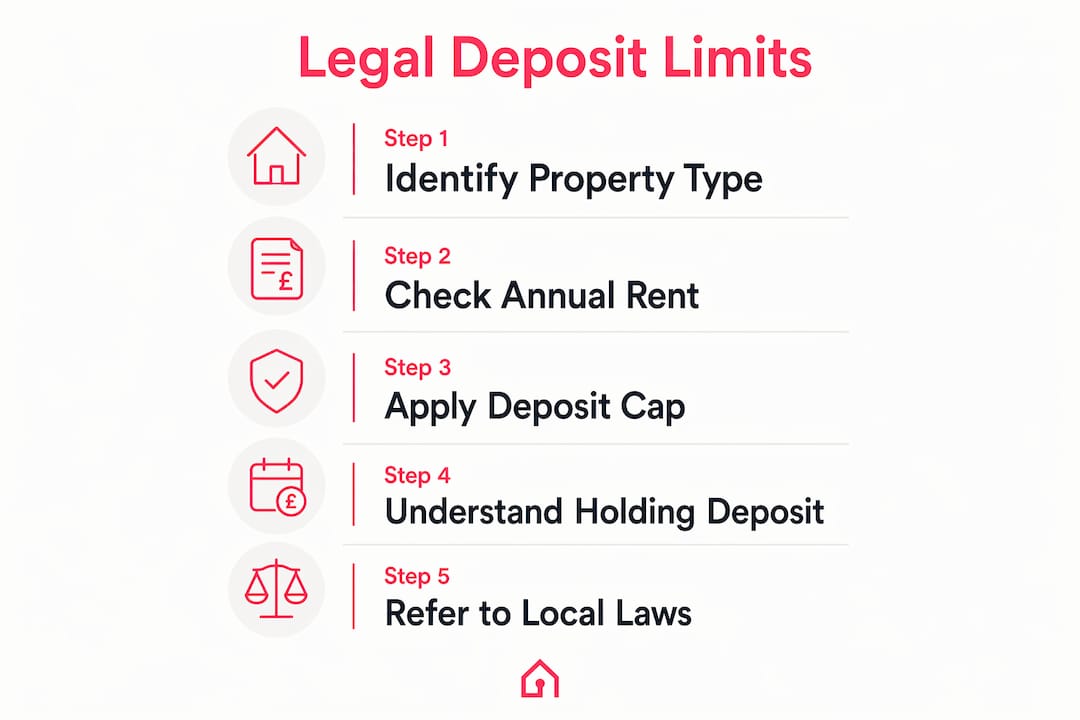
What are the legal limits on deposits and holding deposits?
The Tenant Fees Act 2019 introduced firm financial caps that still apply in 2026. Knowing these figures protects tenants from being overcharged and keeps landlords compliant.
A holding deposit and a tenancy deposit are different things. A holding deposit reserves a property while referencing is completed. It is capped at one week's rent and must be refunded within 7 days if the tenancy does not proceed, unless the tenant withdraws, provides false information, or fails a right-to-rent check. A tenancy deposit is the larger security sum held for the duration of the tenancy.
Key points to keep in mind:
Landlords cannot charge both a holding deposit and a tenancy deposit simultaneously beyond the permitted caps.
Any deposit above the legal cap is an unlawful payment under the Tenant Fees Act 2019 and can be reclaimed.
The 2026 Renters' Rights Act has tightened enforcement further, giving tenants stronger grounds to challenge non-compliant landlords.
You can check whether your deposit is protected by searching the DPS, TDS, or mydeposits websites using your tenancy details.
If you are renting in Ireland rather than England, the rules differ. The deposit rights framework in Ireland operates under separate legislation, so always confirm which jurisdiction applies to your tenancy.
What can a rental deposit be used for?
A tenancy deposit covers specific financial losses, not general upkeep. Landlords can make deductions for three categories of loss.
Unpaid rent: Any rent outstanding at the end of the tenancy can be deducted from the deposit before it is returned.
Damage beyond fair wear and tear: Broken fixtures, stained carpets from misuse, or holes in walls qualify. Faded paint, minor scuffs, and worn carpets from normal use do not. Deposits cannot cover normal wear and tear, and any landlord who attempts to charge for it is acting outside the rules.
Missing items: If items listed on the inventory are absent at the end of the tenancy, their replacement cost can be deducted.
Deposits cannot be used to fund general maintenance, redecoration that was already due, or property upgrades. A landlord who replaces a five-year-old carpet with a new one cannot charge the full replacement cost to the tenant. The adjudicator will apply a depreciation calculation based on the item's age and condition at the start of the tenancy.
Documentation is everything. Detailed inventories with photographs, dated at the start of the tenancy, are the primary evidence used in deposit disputes. Without them, a landlord's deduction claim is very difficult to sustain.
Pro Tip:As a tenant, photograph every room on the day you move in and email the images to your landlord. That timestamp creates independent evidence that is harder to dispute than a paper inventory alone.
If a deduction dispute arises, either party can raise it with the relevant scheme's free adjudication service. The adjudicator reviews the check-in inventory, check-out report, and any supporting evidence before making a decision. You do not need to go to court.
Practical guidance for tenants and landlords
Managing a deposit well from the start prevents most disputes before they happen. Here is what each side should do.
For tenants
Confirm your deposit is protected within 30 days of payment by checking the DPS, TDS, or mydeposits websites.
Keep a copy of the prescribed information your landlord is legally required to give you.
Complete a thorough check-in inventory and note any existing damage in writing before you settle in.
When your tenancy ends, request a check-out inspection and attend it if possible.
If you disagree with a deduction, raise a formal dispute with the scheme rather than accepting the landlord's position. The deposit return process follows clear steps that protect your position.
For landlords
Diarise the exact date you receive the deposit funds. The 30-day protection deadline runs from that date, not the tenancy start date.
Use a custodial scheme if you want to avoid holding client money. It is free and removes the risk of mismanaging funds.
Prepare a detailed written inventory with dated photographs before the tenant moves in. Good record-keeping is the single most effective way to support a fair deduction claim.
Return the deposit promptly at tenancy end. Delays without justification can trigger disputes and damage your reputation.
Be aware that deposit protection failures can be used by tenants to offset rent arrears claims, potentially blocking possession proceedings under Section 8 grounds.
One common misconception worth addressing: zero deposit schemes are insurance products, not refundable deposits. A tenant who pays into a zero deposit scheme does not get that money back at the end of the tenancy. That is a fundamentally different arrangement, and both parties should understand it before signing up.
Key takeaways
A rental deposit is a legally regulated financial safeguard that protects both tenants and landlords, but only when handled correctly from day one.
Point
Details
Deposit protection is mandatory
Landlords must register deposits with DPS, TDS, or mydeposits within 30 days of receipt.
Legal caps apply
Most tenants pay a maximum of 5 weeks' rent; higher-rent properties allow up to 6 weeks.
Deductions have strict limits
Landlords can only deduct for unpaid rent, damage beyond fair wear and tear, or missing items.
Documentation decides disputes
Dated inventories with photographs are the strongest evidence in any deposit disagreement.
Zero deposit schemes differ
Insurance-based alternatives are not refundable and work differently from traditional deposits.
Why deposit compliance matters more than most landlords realise
From where Hauzed sits, watching how tenants and landlords interact across the Irish and broader rental market, the deposit conversation reveals a lot about how a tenancy is likely to go. Landlords who handle deposits carelessly at the start tend to handle disputes carelessly at the end. Tenants who skip the inventory tend to regret it.
The 2026 Renters' Rights Act has shifted the balance further toward tenant protection. Non-compliance is no longer just a financial risk. It is a possession risk. A landlord who has not protected a deposit correctly may find that a Section 8 eviction claim is effectively neutralised by a tenant's counterclaim. That is a significant operational consequence that many smaller landlords still do not fully appreciate.
The other thing worth saying plainly: most deposit disputes are avoidable. They happen because one side did not document the property's condition properly, or because expectations about fair wear and tear were never discussed. A five-minute conversation at the start of a tenancy about what counts as damage versus normal use prevents most of the arguments that end up in adjudication.
Hauzed's view is that the rental process works better when both sides are prepared and verified before money changes hands. That applies to deposits as much as it applies to anything else. A tenant who understands their deposit protection rights is a better tenant. A landlord who follows the rules is a safer landlord to rent from.
— Hauzed
Renting safely starts before the deposit is paid
Hauzed is a trust-first rental marketplace built for Ireland, starting with Dublin. It connects verified tenants with landlords and agencies, so both sides of a tenancy start from a position of confidence rather than uncertainty. Tenants can build a stronger rental profile, verify their identity, and approach landlords through a structured channel rather than an anonymous message. Landlords can review verified tenant interest, manage conversations, and coordinate viewings without the usual message chaos. Whether you are searching for your next home or managing a rental portfolio, safer renting in Ireland is easier when both sides are real and prepared from the start.
FAQ
What is a rental deposit used for?
A rental deposit is held as financial security against unpaid rent, property damage beyond fair wear and tear, or missing items at the end of a tenancy. It is not a fee and must be returned in full if the tenant leaves the property in good condition.
How long does a landlord have to protect a deposit?
Landlords in England and Wales must protect a deposit within 30 days of receiving it in a government-approved scheme such as the DPS, TDS, or mydeposits, and provide the tenant with prescribed information within the same period.
What is the maximum deposit a landlord can charge?
The maximum tenancy deposit is 5 weeks' rent for properties with annual rent below £50,000, and 6 weeks' rent for properties with annual rent between £50,000 and £100,000.
What is a holding deposit and is it refundable?
A holding deposit reserves a property during referencing and is capped at one week's rent. It must be refunded within 7 days if the tenancy does not proceed, unless the tenant withdraws or provides false information.
What happens if a landlord does not protect a deposit?
A landlord who fails to protect a deposit on time faces a penalty of between one and three times the deposit amount. The failure can also block eviction proceedings under Section 8 grounds, making it harder to regain possession of the property.