How rental platforms detect fraud: what you need to know

Discover how rental platforms detect fraud with advanced tech like Open Banking and AI. Learn essential strategies to stay secure!
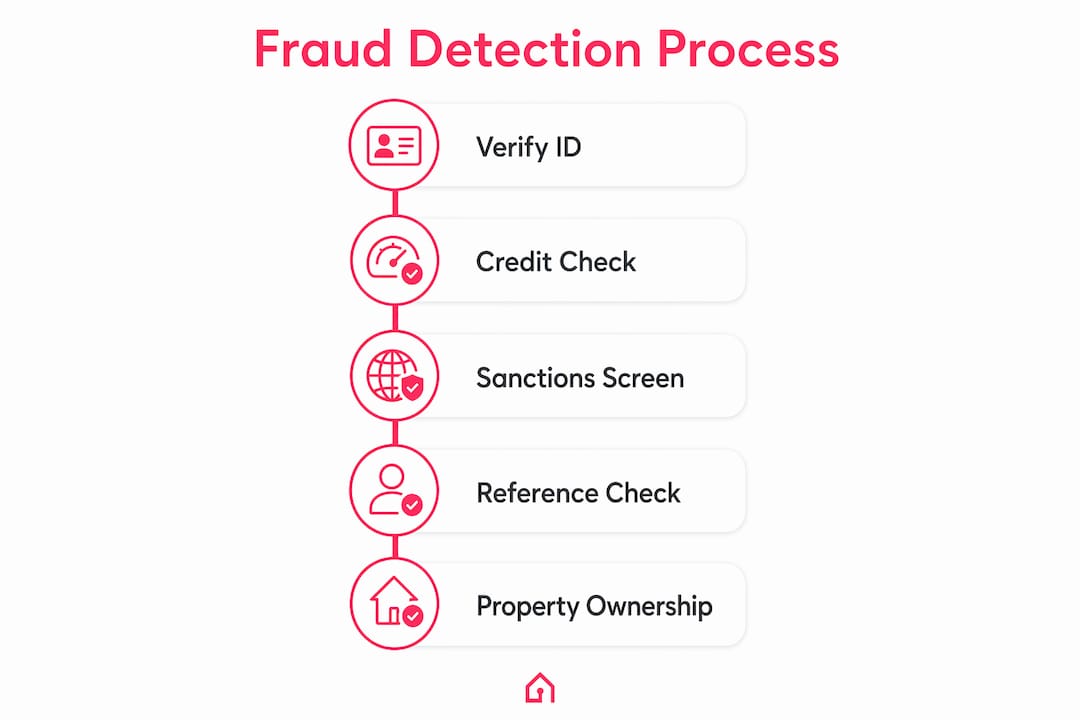
Rental platforms detect fraud through a layered combination of technologies, not a single check. The most effective systems use Open Banking for income verification, AI-driven Identity Document Validation Technology (IDTV) with liveness checks, and real-time integration with HM Land Registry to confirm landlord ownership. Platforms like Goodlord and SmartSearch add sanctions screening and behavioural analytics on top. Here is what that looks like in practice:
- Open Banking gives referencing providers direct, read-only access to an applicant's bank transactions, bypassing payslips entirely. Payslip fraud accounted for 54% of tenancy fraud cases in 2022.
- AI-powered IDTV analyses document metadata, font anomalies, and calculation errors that human reviewers miss, then matches the applicant's face to the document biometrically.
- HM Land Registry integration lets platforms verify property ownership in real time, catching fake landlord claims before a tenant pays a deposit.
- Machine learning scans application patterns for anomalies, including synthetic identities and deepfaked documents.
- Sanctions and watchlist screening flags individuals with adverse media or criminal risk records.
- Behavioural analytics monitors how applicants interact with a platform, spotting unusual activity during the application process.
Manual checks alone cannot keep pace. Digital identity verification creates stronger audit trails and catches sophisticated fraud that pressure and human error let through.
Pro Tip: The Home Office's 'Think Fraud' campaign advises tenants to never pay a deposit before viewing a property in person. Artificial urgency is a classic scammer tactic.