Learn why renting remotely in Ireland is risky. Discover common scams and how to protect yourself while searching for a home from afar.
Renting remotely in Ireland is risky because scammers specifically target renters who cannot verify a property in person, making deposit fraud and fake listings a serious and growing threat. Both the Gardaí and AIB have issued warnings about rental scams that exploit the distance between a renter and a property, and the tactics are becoming more sophisticated each year. If you are relocating to Ireland from abroad, or searching for a home before you arrive, understanding these risks is the first step to protecting yourself. The good news is that most scams follow predictable patterns, and knowing what to look for puts you firmly in control.
What are the common scams targeting remote renters in Ireland?
Remote rental fraud in Ireland follows several well-documented patterns. Recognising them early is your strongest defence.
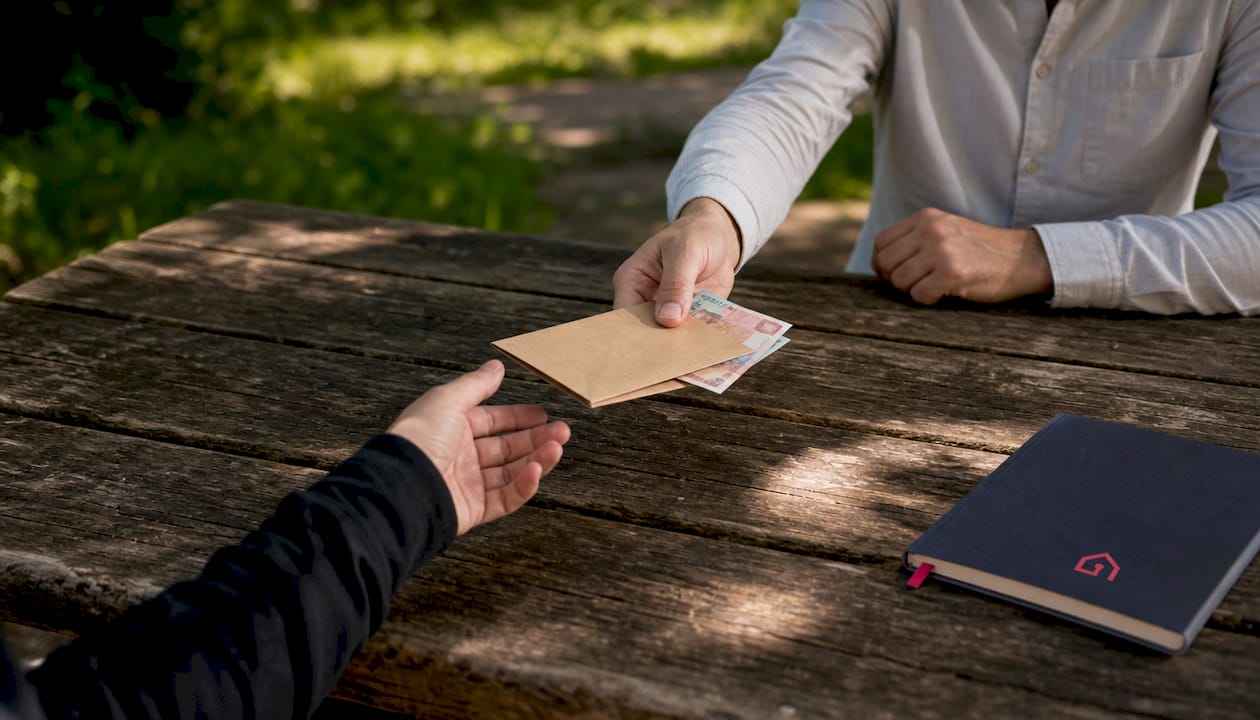
The most common tactic is the fake viewing deposit scam. Small deposits under €200 are frequently requested to "secure" a viewing slot for a property that does not exist or is not available to rent. AIB's April 2026 Fraud Trend series flagged this method specifically. That small sum feels low-risk to the renter, which is precisely why it works.
The scam rarely stops there. After you pay the viewing deposit, a follow-up call arrives, disguised as your bank's fraud team. This is the double scam method: the first payment establishes trust, and the phishing call extracts your full banking credentials. Victims can lose far more than the initial €200.
Other common tactics include:
Fake or hijacked listings. Scammers copy real property photos and descriptions from legitimate websites, then post them at a lower price to attract interest quickly.
The "landlord abroad" excuse. The supposed landlord claims to be overseas and unable to facilitate a viewing. This is a widely recognised scam script flagged by both the Gardaí and Irish consumer bodies. No legitimate landlord needs this excuse.
Related Topics
#why renting remotely in ireland is risky#concerns about remote rentals#remote leasing risks Ireland#remote rental scams in Ireland#risks of remote renting Ireland#trust issues renting remotely#remote renting pitfalls Ireland#is renting remotely safe#challenges of renting remotely#renting property online Ireland
Related Articles
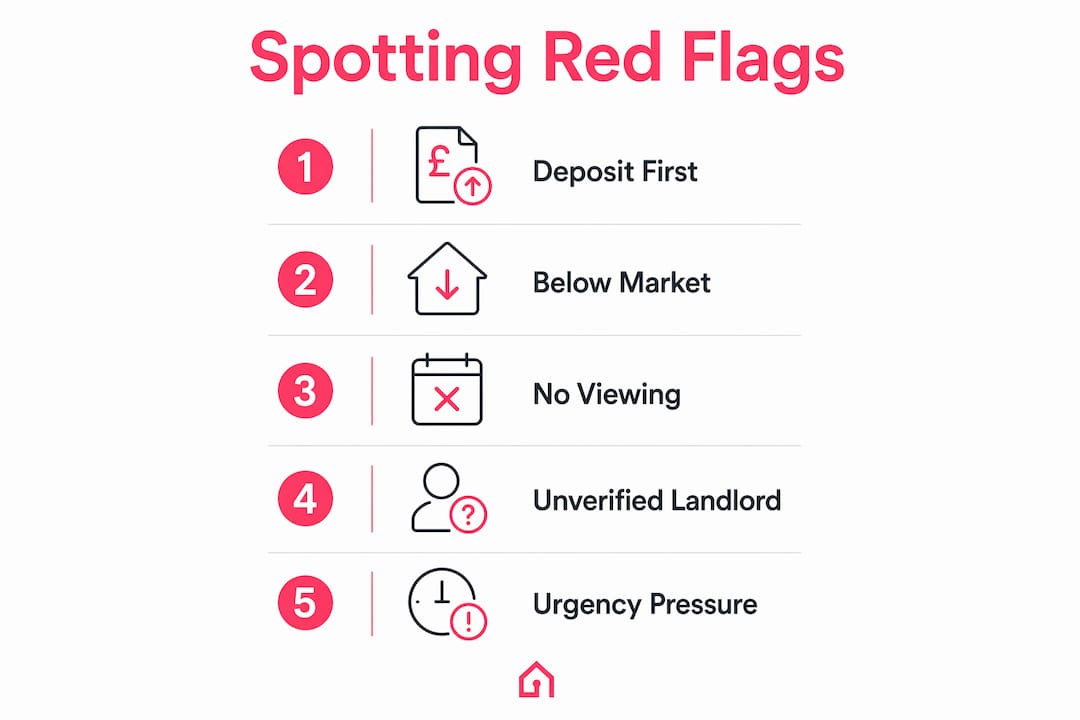
Urgency and FOMO pressure. Scammers tell you the property has multiple applicants and you must pay immediately to secure it. Fear of missing out drives renters to bypass safety checks, and scammers exploit this deliberately.
Requests for sensitive documents upfront. Asking for passport scans, PPS numbers, or bank details before any viewing or signed agreement is a serious warning sign.
Pro Tip:If a listing price looks noticeably below the market rate for the area, treat it as a red flag rather than a bargain. Scammers use artificially low rents to generate fast, emotional responses.
Why is in-person verification so critical in the Irish rental market?
Irish consumer bodies treat in-person viewings as the gold standard for rental safety. That is not an arbitrary preference. It is because so many of the risks of remote renting in Ireland disappear the moment you physically stand in a property and meet the person claiming to own it.
Without an in-person visit, you cannot confirm the property exists in the condition advertised. Photos can be stolen, edited, or taken years ago. A live video call is better than nothing, but it does not confirm that the person on screen has any legal right to rent the property.
Verifying landlord identity remotely is genuinely difficult. Here is a practical sequence to follow before you commit to anything:
Search the property address on the Residential Tenancies Board (RTB) register to confirm it has a rental history.
Check the agency or landlord name against the Property Services Regulatory Authority (PSRA) register if an agent is involved.
Reverse-image search the listing photos using Google Images or TinEye to check whether they appear on other listings or unrelated websites.
Request a written tenancy agreement before paying any deposit. The RTB enforces deposit regulation and requires deposits to be capped at one month's rent, with receipts provided.
Confirm the bank account name matches the landlord or agency name exactly before any transfer.
International renters and students face disproportionate risk because they are searching from a distance and often working to tight deadlines. College return windows and job start dates create pressure that scammers exploit directly. If you are arriving from outside Ireland, that pressure is real, but it is also the exact condition scammers rely on.
How can you spot red flags before sending any payment?
The challenges of renting remotely become most dangerous at the payment stage. Most renters who lose money do so because they moved too quickly under pressure. Slowing down at this point costs you nothing and protects everything.
Signal
What it means
Deposit requested before viewing
No legitimate landlord asks for payment before you see the property. Walk away.
"Landlord abroad" explanation
A scripted excuse to avoid in-person checks. Treat it as a scam indicator.
Bank account name does not match
Funds sent to a mismatched account are almost impossible to recover.
No written tenancy agreement offered
A legal requirement in Ireland. Absence signals either fraud or an illegal tenancy.
Pressure to decide within hours
Legitimate landlords allow reasonable time. Urgency is a manipulation tactic.
No legitimate landlord requests a deposit before a viewing takes place. AIB states this clearly. If someone asks you to pay before you have seen the property, that is the clearest possible signal to stop.
Pro Tip:Before transferring any money, call your bank directly using the number on their official website, not a number provided in a rental message. Scammers frequently pose as bank fraud teams immediately after a fake deposit is paid.
You can also cross-reference listings against resources like the Hauzed guide on identifying fake rental listings, which covers the standard safety checks used by experienced renters in Ireland. For a broader overview of your rights, the tenant rights guide explains what protections apply to you under Irish law.
What practical steps should you take when relocating to Ireland?
The safest approach to renting in Ireland from abroad is to separate your search from your commitment. Search remotely, but do not sign or pay until you have verified the property in person.
Long-term renters typically spend 2–6 weeks in temporary accommodation to conduct in-person viewings before committing to a lease. That is the standard practice for a reason. Temporary housing, such as a short-term let, a hostel, or a serviced apartment, gives you a base from which to view properties properly.
Practical steps to reduce your risk:
Arrange temporary accommodation before you arrive. Book at least two weeks of short-term housing so you are not under pressure to sign a lease immediately upon landing.
Prepare your documentation in advance. Compile payslips, employment letters, references, and identification into a digital folder. Competitive listings move fast, and being ready to apply quickly reduces the temptation to skip verification steps.
Use verified channels where possible. Platforms that require identity verification from both landlords and renters reduce the anonymity that scammers depend on.
Be wary of last-minute offers. If a landlord contacts you out of the blue with an urgent offer, especially one that requires a remote deposit, treat it with significant caution.
Never send sensitive documents through informal channels. Passport scans, PPS numbers, and bank details should only be shared through secure, official processes, not via WhatsApp, email, or social media messages.
Remote renting is rarely successful without in-person or live-video verification due to the high risk of fraud. If an in-person visit is genuinely impossible, a live video walkthrough conducted by a trusted third party, such as a solicitor or a verified letting agent, is the next best option. The expat renting checklist covers this process in detail for those arriving from outside Ireland.
International renters often misjudge the differences between Irish rental processes and those in their home country. Irish landlords expect documentation quickly, but they do not expect payment before a viewing. That distinction matters enormously.
Key takeaways
Remote rental fraud in Ireland is predictable and avoidable once you know the warning signs, the verification steps, and the standard protections the RTB provides.
Point
Details
Never pay before viewing
Any deposit requested before a viewing is a scam indicator, regardless of the excuse given.
Verify landlord and agency identity
Use the RTB and PSRA registers to confirm legitimacy before transferring any money.
Plan for temporary housing
Arriving with 2–6 weeks of short-term accommodation removes the pressure that scammers exploit.
Recognise the double scam
A fake deposit followed by a phishing call is a documented tactic; hang up and call your bank directly.
Use verified platforms
Channels requiring identity verification from both sides reduce anonymity and scam risk significantly.
Hauzed's view: patience is the only protection that always works
The renters who lose money to remote rental scams in Ireland are not careless people. They are often well-prepared, intelligent individuals who were simply placed under enough time pressure to make one fast decision. That is the design of the scam.
What I have observed consistently is that the moment a renter pauses, asks one more question, or requests a document before paying, the scam collapses. Fraudsters rely on momentum. They cannot survive a 24-hour delay. The "landlord abroad" script, the urgent deadline, the below-market price: all of these are pressure mechanisms, not property details. When you shift your focus from the property to the process, the red flags become obvious.
Scammers increasingly use sophisticated methods that push urgency and pressure. The right response is always to slow down. A genuine landlord will wait for you to verify their identity. A genuine property will still be available after you have checked the RTB register. No legitimate rental opportunity requires you to pay before you have seen it.
The practical wisdom here is simple: treat every remote rental interaction as if the burden of proof sits entirely with the landlord. Ask for documentation. Request a viewing. Confirm account names. If any of those requests are refused or deflected, you have your answer.
— Hauzed
Safer renting in Ireland starts with verified connections
Renting remotely in Ireland does not have to mean renting blindly. Hauzed is a trust-first rental marketplace built specifically for the Irish market, starting with Dublin. Every renter on the platform goes through identity verification, and landlords can review verified tenant profiles rather than sorting through anonymous messages.
For renters, Hauzed is free to use. You can browse verified properties and build a rental profile that shows landlords you are a serious, prepared applicant. For landlords, Hauzed reduces the manual work of filtering leads and scheduling viewings. If you are searching for a safer way to rent in Ireland, Hauzed's verified marketplace is built to give both sides of the process more confidence from the very first interaction.
FAQ
Is renting remotely in Ireland safe?
Renting remotely in Ireland carries significant risk without in-person or live-video verification. Most rental scams specifically target renters who cannot view a property before paying.
What is the most common rental scam in Ireland?
The most common tactic is a fake viewing deposit scam, where a small payment under €200 is requested to "secure" a viewing for a property that does not exist or is not available.
What does "landlord abroad" mean in a rental listing?
The "landlord abroad" excuse is a widely recognised scam script used to avoid in-person viewings. Legitimate landlords do not need this explanation to rent their property.
How can I verify a landlord before paying a deposit in Ireland?
Check the landlord or agency name against the RTB and PSRA registers, reverse-image search the listing photos, and confirm that the bank account name matches the landlord's name exactly before transferring any money.
What should I do if I think I have been targeted by a rental scam?
Stop all contact with the suspected scammer immediately, report the listing to the platform where you found it, and contact your bank directly using the number on their official website to protect your account.